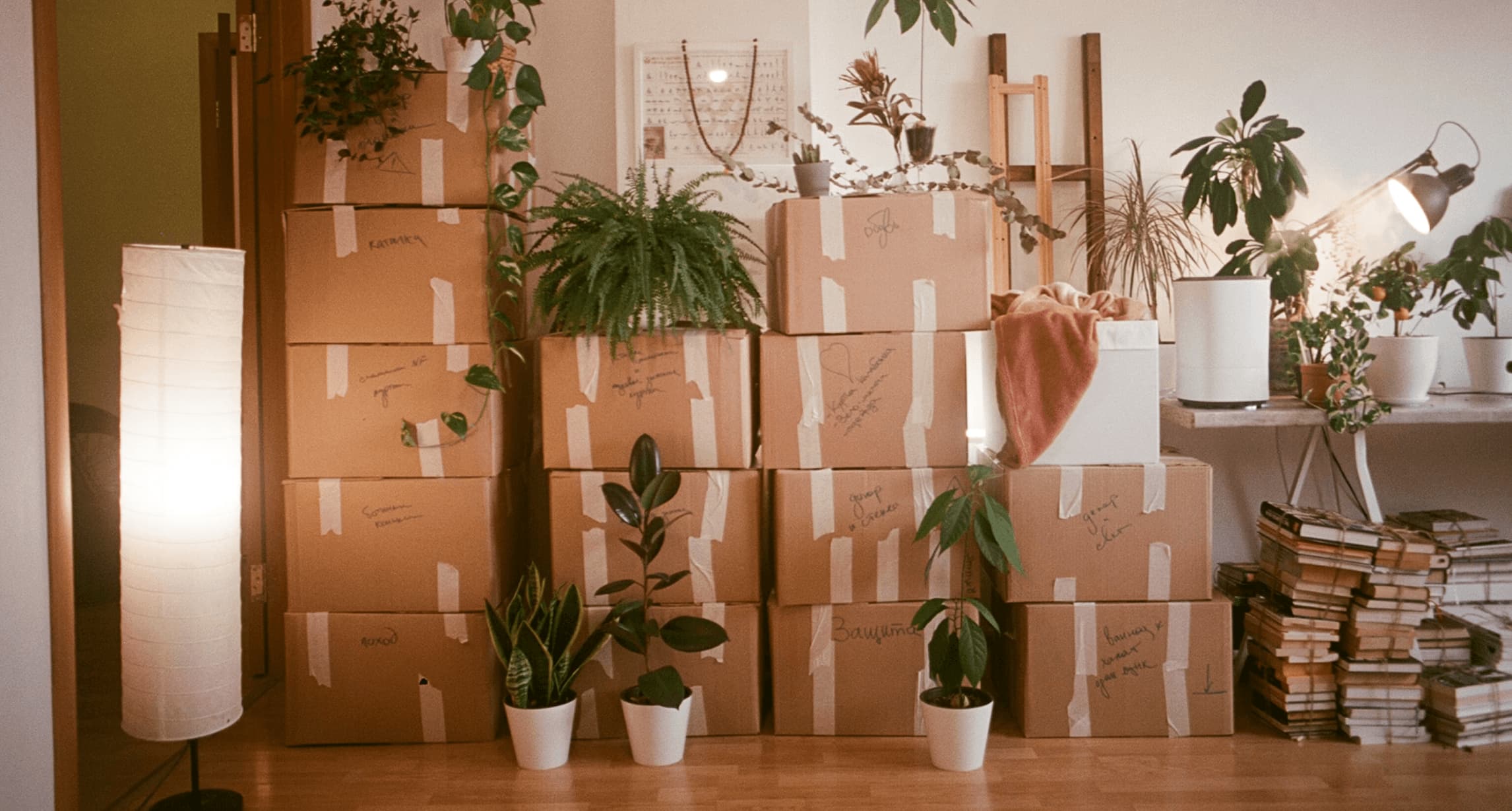
Moving should not feel like a treasure hunt where the treasure is your kettle, passport, router cable, or one specific phone charger.
Yet that is exactly what happens when boxes are packed quickly, labelled vaguely, and stacked wherever there is space. A box marked "Kitchen" is helpful until you have twelve boxes marked "Kitchen".
The better approach is simple: give every box an identity, record what is inside it, and track where it goes. That's the core promise of any good moving house inventory app.
That is where StorageBuddy becomes the best resource for storage management and moving day organisation. It helps you create a searchable record of your items, boxes, and storage locations so you can stop guessing and start finding.
Why things get lost during a move
Most moving chaos comes from three problems. Boxes are labelled too broadly. Contents are not recorded while packing. Box locations change without being updated. A box can move from bedroom to hallway, hallway to truck, truck to garage, and garage to storage unit — and if nobody tracks those changes, the label on the outside is only ever half the story.
The goal is not to create a complicated system. The goal is to make every box easy to identify, search, and locate.
Step 1: Give every box a unique name
Don't rely on room names alone. Instead of generic labels like Kitchen, Bedroom, or Garage, use names that distinguish between boxes from the same room: Kitchen 01, Kitchen 02, Main Bedroom 01, Garage Tools 01, Office Cables 01.
This immediately makes conversations clearer. Instead of "where is the kitchen box?", you can say "we need Kitchen 03" — and everyone knows exactly which box you mean.
Step 2: Photograph the contents before sealing
Before you tape a box shut, take a clear photo of the open contents. You can visually confirm what's inside, reduce the need to unpack multiple boxes when searching for something, and create a quick reference for insurance or storage planning. Photograph the open box from above, any high-value items, small loose items grouped together, and the final sealed box with its label visible.
A photo catalogue is one of the easiest ways to make your move less stressful — and it takes about thirty seconds per box.
Step 3: Use QR labels for faster lookup
A QR code box tracking system connects each physical box to its digital record. Anyone helping with the move can scan the box and immediately see what it is, where it belongs, and what's inside — without asking you. A good QR label should include:
- Box name
- Destination room
- Priority level
- QR code
- Handling note, if needed
Example:
Kitchen 03
Destination: Kitchen
Priority: Open First
Scan for contents
Fragile
With StorageBuddy, QR-based storage tracking becomes practical because your boxes, items, and locations are managed in one place.